Wayfinding
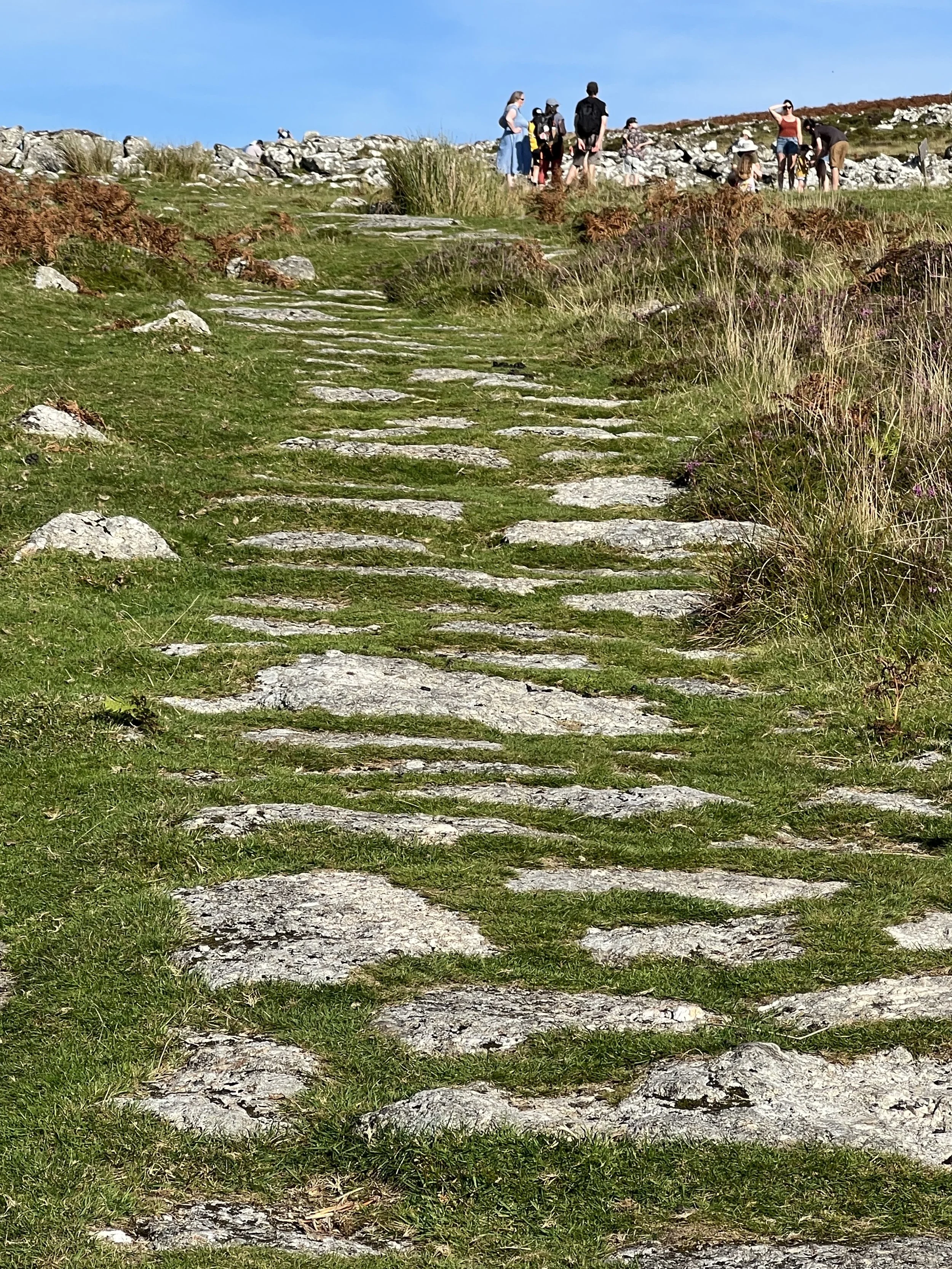
“I’ve come to think that we might best imagine wayfinding not as a skill or art but as an ethic. The abilities that are cultivated in wayfinding—imagining things from different viewpoints, moving the mind backward and forward in time, seeing situations from other perspectives, weighing alternatives subtly against one another before making the best decisions, seeking information from others and giving it freely in return—might be the same abilities that contribute to a resilient, equitable community or polity. If this is wayfinding, then we need it now more than ever.”
Robert Macfarlane in "The Landscapes Inside Us" in the New York Review of Books
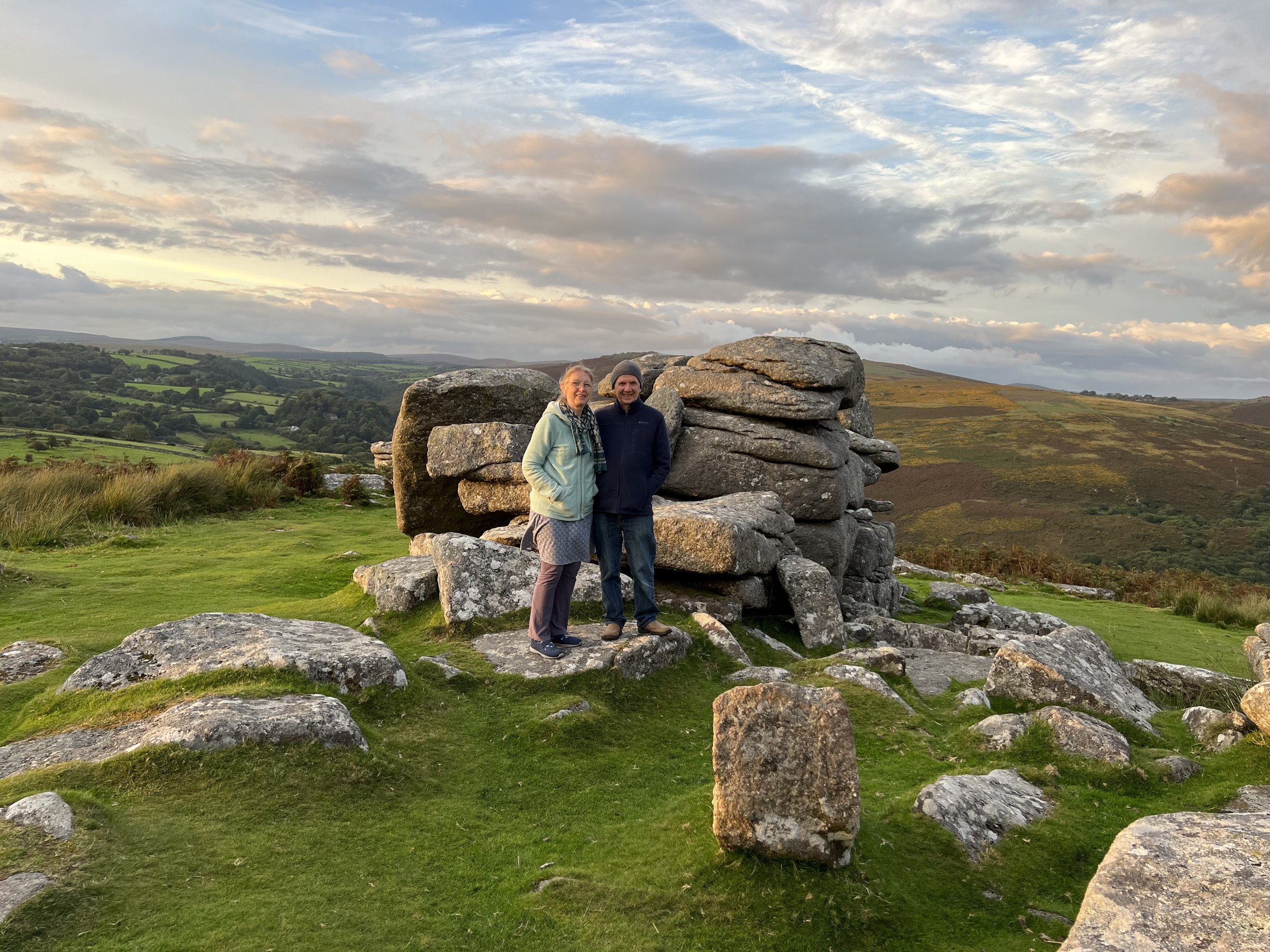
These are stories of Wayfinding
At a glance, each piece is about something commonplace—a leisurely walk, a stone wall, a place to linger.
Ordinary observations that catch our attention invite us to pause and notice something we might otherwise have walked past.
Sometimes an insight is hidden in plain sight.
A Place to Linger
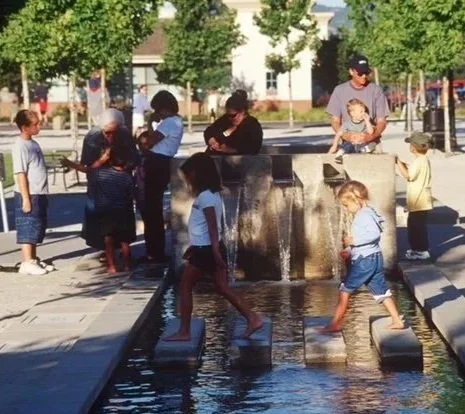
Some places invite us to linger and ask nothing of us except that we stay a while.
Places where conversations cross paths are not valuable simply because people pass through them. They become valuable when people linger. They remind us that conversation has always needed a home.
The great coffeehouses and cafés of Europe were never simply places to buy coffee. They became places where writers, artists, scientists, and philosophers met unexpectedly. Ideas crossed paths. Friendships formed. New movements quietly began. They became homes for an ecosystem of change.
People arrive looking for one thing and leave carrying another.
They may arrive looking for a conversation about rivers. They leave thinking about hospitality. They come because of design. They leave thinking about belonging. They come to learn. They leave with a question.
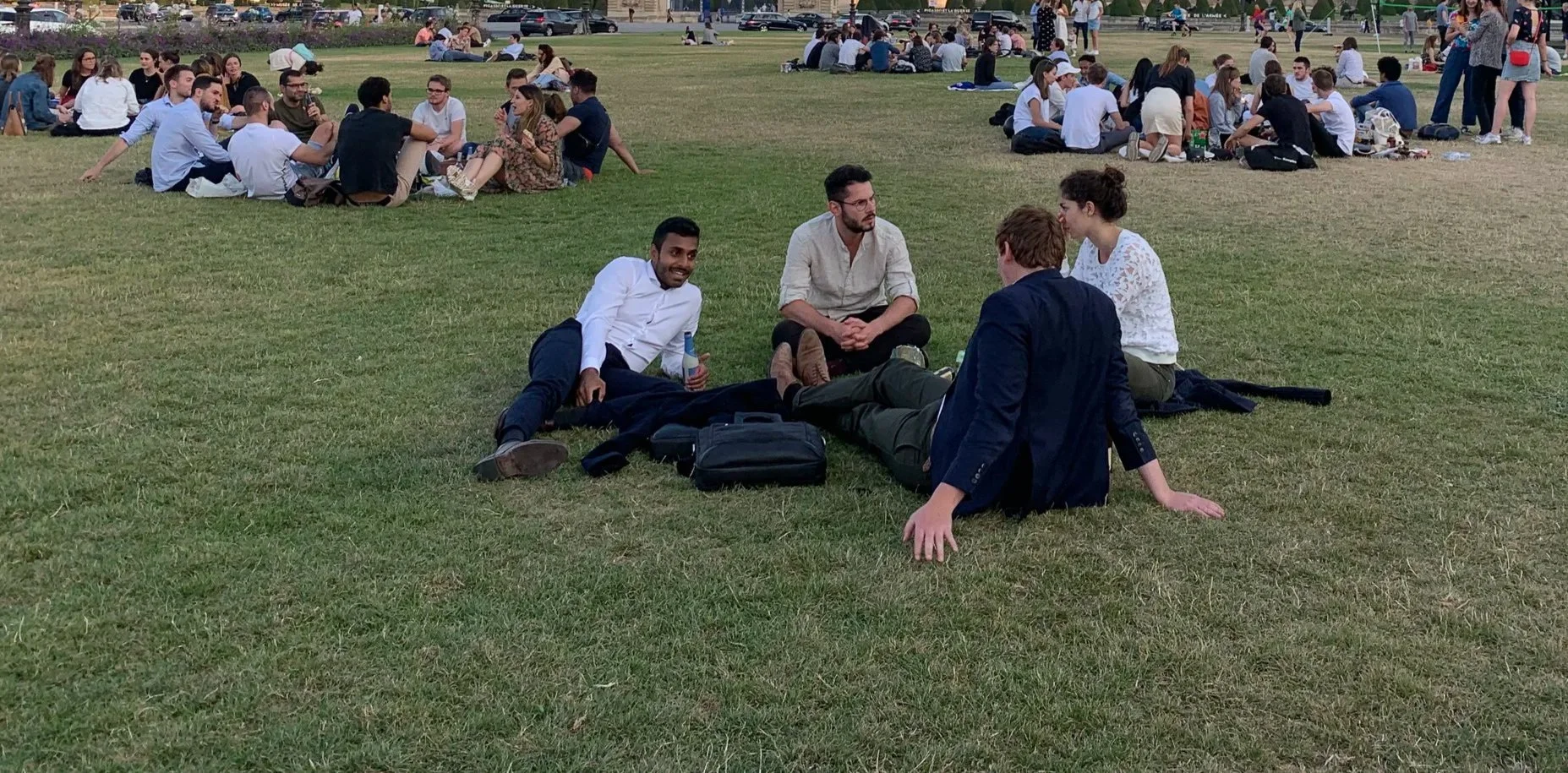
To linger is a quiet act of rebellion against the modern obsession with productivity. It reminds us that curiosity, conversation, and unhurried encounters are not wasted time. They are fertile ground from which co-creation grows.
Perhaps all that is needed is the willingness to linger. One unexpected thread may be enough to change the direction of a journey.
Stone by Stone
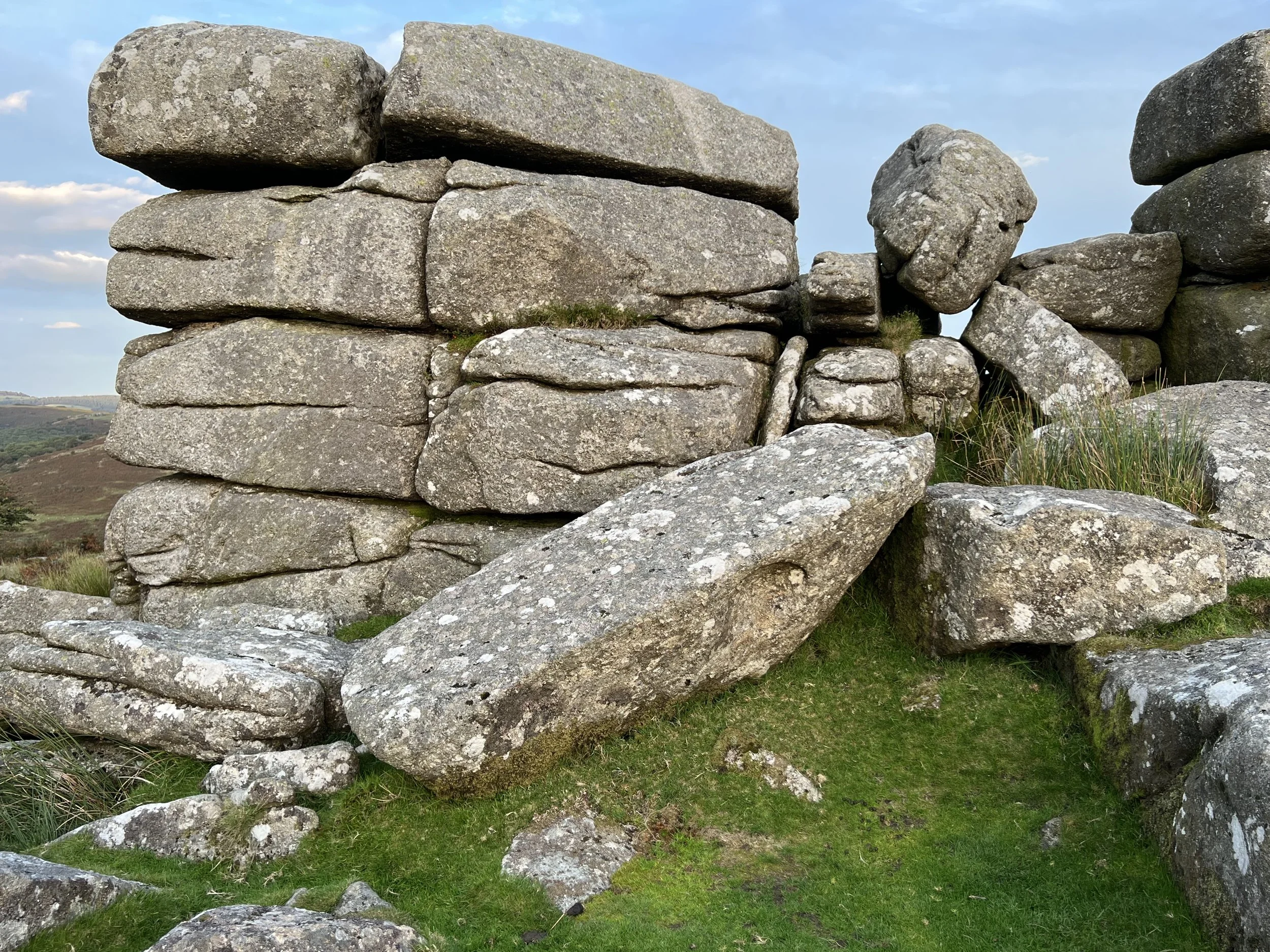
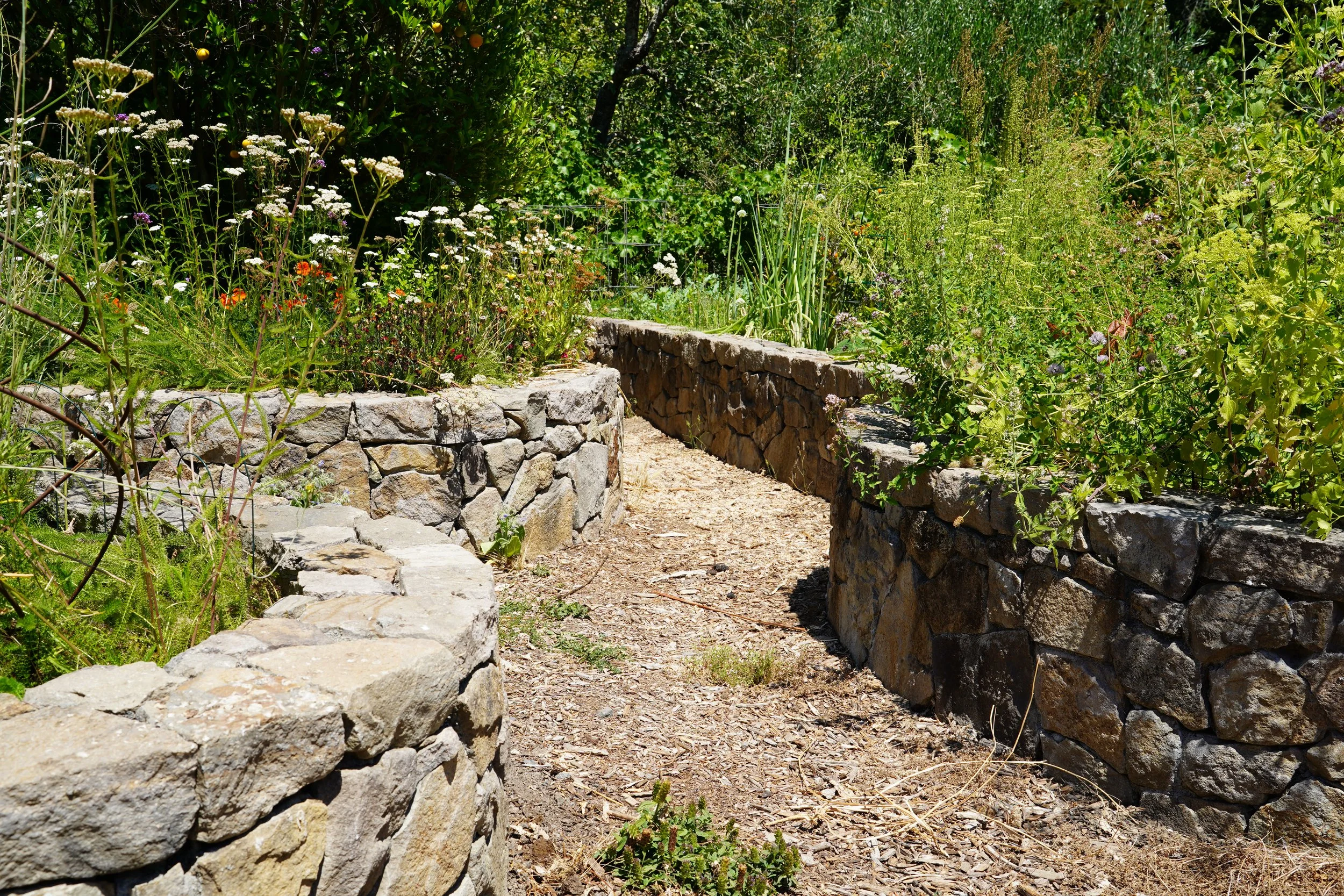
A dry stone wall is almost always the accumulated work of many hands, many seasons, and many generations.
The stones are gathered from the land.
A dry stone wall isn't built according to a rigid template. The wall takes shape one stone at a time. The wall has no mortar. Its strength comes from relationship. Without those relationships, it is simply a pile of stones.
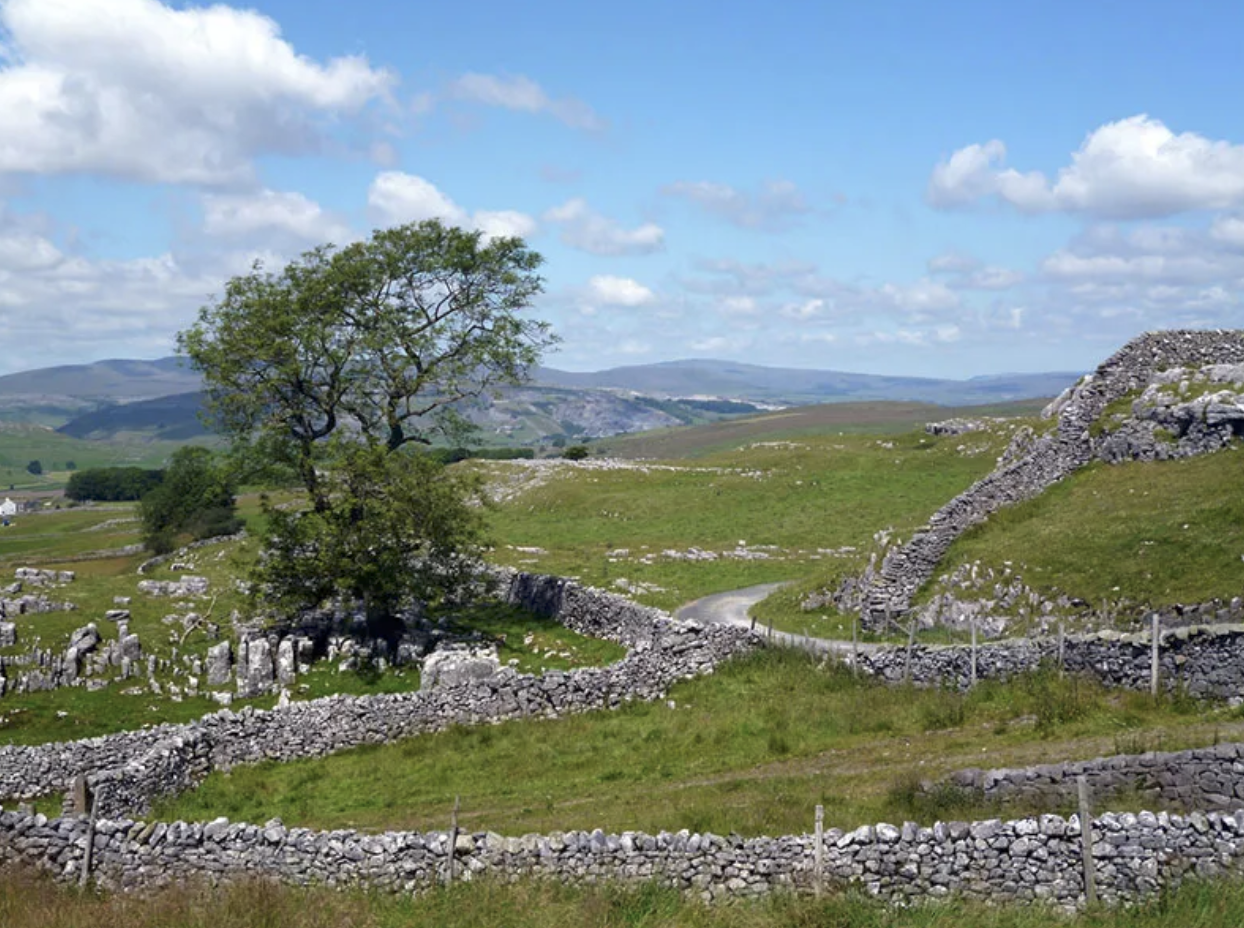
A dry stone wall can stand for hundreds of years. Not because it's rigid. Because it has a little flexibility. When the ground moves, the wall can settle without collapsing.
Passeggiata
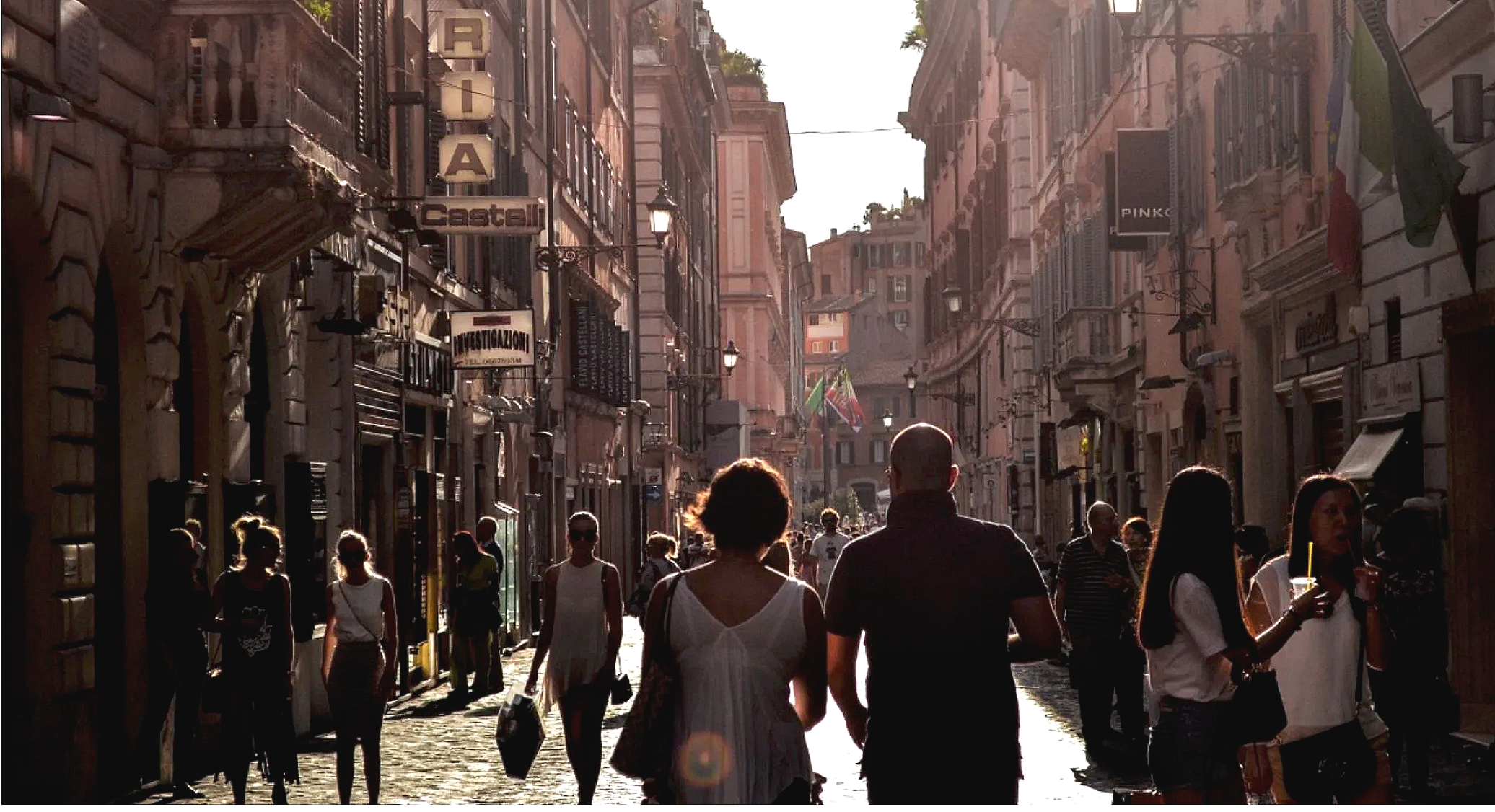
The passeggiata is the Italian tradition of an unhurried evening stroll through the town. People walk, greet friends, stop for conversations, see and be seen. There is no destination to reach and no productivity to achieve. There is a quiet rhythm.
People stroll, allowing time for unexpected encounters. They pause. They continue. They pause again. It is gentle, spacious, and unhurried—an invitation to wander.
Each evening, the town quietly renews itself. People make themselves visible. They acknowledge one another. They notice who's thriving. They notice who's missing. Small conversations, repeated over time, become trust.
Nothing spectacular happens. And yet everything important happens. Urbanist Jane Jacobs wrote about the "sidewalk ballet"—the ordinary, repeated interactions that make a neighborhood feel safe and alive.
Someone noticing that Signor Rosa was not sitting at his usual bench comments, "Has anyone seen Signor Rosa today?" A question that contains memory, care, belonging, and responsibility. And someone else responds by going to look for him.
Passeggiata is a culture of tuning in,a culture of noticing. Noticing places. Noticing patterns. Noticing one another. Noticing who or what is absent.
It is a culture of belonging and reciprocity. Today I notice you. Tomorrow you notice me. No one assigns the task. It simply becomes part of the rhythm of the place.